CYNTHIA GREGG, MD
FACE & BODY SPECIALISTS
For more information about the practice, contact:
CYNTHIA GREGG, MD, FACS
FACE & BODY SPECIALISTS
Cynthia Gregg, MD, FACS
3550 NW Cary Parkway
Suite 100
Cary, NC 27513
Telephone: (919) 297-0097
https://cynthiagreggmd.com
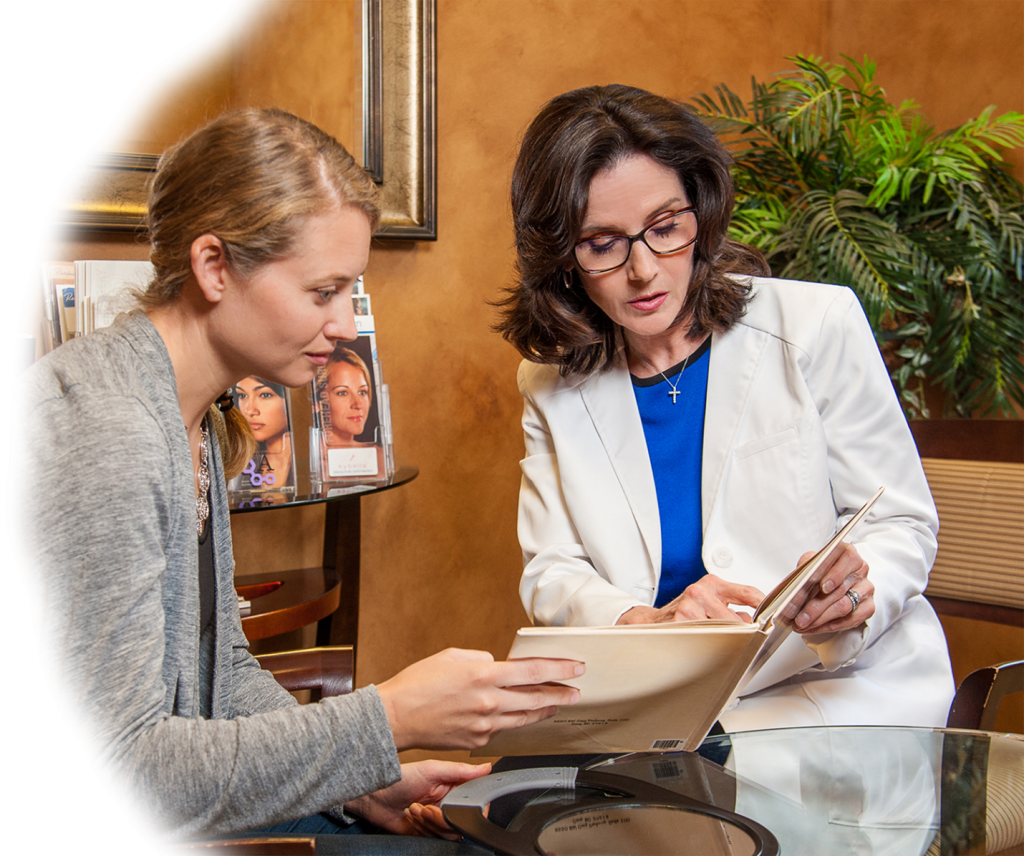
When asked about the impact of inflammation on her practice, Dr. Cynthia Gregg, one of the Triangle’s most highly respected facial plastic surgeons, responds with a smile. “In a way, you could say that inflammation is pretty well central to everything we do.
“You have to understand what ‘inflammation’ means from the perspective of a facial plastic surgeon,” she explains. “First of all, aging is basically an inflammatory process—so understanding how it affects our faces as we age is the focus of all our work. Furthermore, inflammation—or, rather, the inflammatory response—is about healing. Managing that inflammatory response is critically important in all the surgery I do.
Health&Healing: Explain what you mean by the “inflammatory response.”
DR. GREGG: Wound healing is a part of every surgery. The surgery itself is a wound, and inflammation—which is the body’s natural response to injury—is a critical part of the healing process.
That’s the good inflammation: you cut your finger; the body rushes blood, fluid, and protein to the injury. There is heat, swelling, and pain; but healing takes place. Our job is to both use and manage the inflammatory response as our patients heal.
H&H: How to you “manage” the inflammatory response?
DR. GREGG: Basically, we want just the “right” amount of inflammation. The initial inflammatory response is essential, but we don’t want it to become excessive or last too long.
Every surgery is influenced by many factors and we need to take these into account. For example, patients with an inflammatory condition such as rosacea or diabetes need special attention. Because they have such a high level of inflammation, not only do their wounds not heal as well, but they can be more prone to infection. That’s particularly true with a diabetic patient whose sugar’s not well-controlled.
So, we work with those patients to reduce their inflammation—before surgery. We want to make sure their sugar is controlled and their primary care doctor is involved—all this is important because surgery is a stressor, and that increases inflammation.
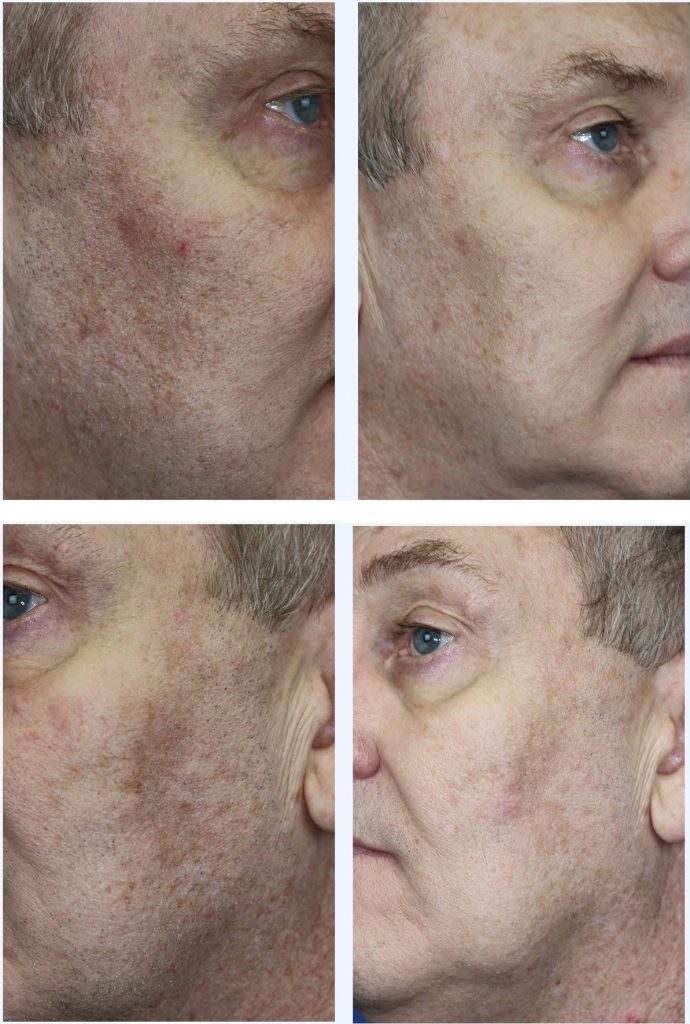
For patients who have rosacea—a chronic inflammatory skin condition—there are other challenges. Their skin is already inflamed, so it’s got more blood flow to it and is more irritated and fragile. As a consequence, rosacea patients tend to bruise more and swell more postoperatively. It’s not something that prohibits surgery, but the better job we can do in getting their rosacea under control, the better result they’ll have. In such cases, I’ll bring in our aestheticians who have many options for calming the skin and getting active rosacea under control. Again, this is something we do before surgery.
There are other ways we manage inflammation. If multiple procedures are needed, we can limit these to one at a time, allowing the body time to recover between procedures. And, although inflammation is absolutely a part of early wound healing, we don’t want it to go on too long. Even before surgery, we’ll start patients on supplements that support wound healing. Post-op, an anti-inflammatory diet—low on sugar and carbs, high on protein—is critically important.
H&H: What’s the connection between inflammation and aging?
DR. GREGG: Aging is basically an inflammatory process. Your skin ages not so much from the number of years you’ve lived, but from the stresses you’ve experienced over those years. Whatever its source, chronic inflammation damages your cells and speeds up skin aging; it also prevents your skin from recovering. A lot of aging is due to skin thinning and the laxity that develops with the aging process. There’s a loss of elastin, a loss of collagen, and a loss of filler. All these processes are accelerated by inflammation.
Furthermore, the aging process is unique to each patient. Genetic factors are important—especially those affecting the texture and thickness of the skin; and diseases, especially inflammatory conditions, also play a role. And the “three Ss”—stress, sun exposure, and smoking—contribute significantly to skin aging, regardless of genes or disease.
So, an inherent part of every surgery I do is to respect the skin that the patient has, and to work with what it can and can’t do. With a face lift patient, for example, I can pull the muscles back and remove excess skin. But, if their skin is particularly thin, they may also need skin care and a biostimulating filler or hyaluronic acid for volume loss. And for some patients—for a variety of reasons—surgery may not be an option.
H&H: What factors affect the decisions about if and when to do surgery?
DR. GREGG: For one thing, it’s important to understand how stress affects our body’s ability to heal. Surgery itself is stressful, so if you’re going to have surgery, you don’t want to bring any additional stress with you. For example, I’ve had prospective patients come in seeking surgery who have recently experienced a bad divorce or a death in the family. And although the procedure they’re seeking is a way of doing something positive for themselves, they’re still dealing with the impact of the stressful event. In these cases, they need to wait—maybe for a year—to let their body recover. At that point, they’ll be ready for the stress of surgery.
We also have to consider other issues, such as diseases that impair the healing process. For example, patients who have an autoimmune disease or condition that affects the skin’s ability to heal or to maintain elasticity, are not great surgical candidates because of the amount of healing required of the skin.
Conditions that present increased risk of bleeding and bruising can be problematic, and some diseases–such as lupus, colitis, or diabetes—are likely to flare with surgery. It doesn’t mean we can’t operate, but it is essential that we work with their physicians to get the underlying condition under control. There are, of course, some cases where the risks of surgery outweigh the benefits, such as patients with significant cardiac disease.
Remember, just like open heart surgery or gallbladder removal—a face lift is surgery. You’re creating a wound that has to heal, and even if you are choosing to have surgery, your body still has to go through all healing steps.
H&H: Are there options for those with higher risks?
DR. GREGG: There are many. And finding the right approach to meet the patient’s goals is one of the most important things we do. Many non-surgical treatments can stimulate collagen, repair skin damage, or replace volume. But some objectives can only be met with surgery; any time you are removing excess tissue—skin, fat, cartilage—requires surgery.
Many, many factors go into the decision-making process. When I meet with patients, I need to understand the goals they want to achieve, and to understand the factors that might affect the process, including their health issues. They need to fully understand the options available to them.
H&H: What options are available for those with inflammatory health issues?
DR. GREGG: There are many options—from skin care to surgery—for facial repair and rejuvenation, including for those who have inflammatory health issues. I’ll use rosacea as an example.
Rosacea is a chronic inflammatory disease whose symptoms flare in response to a variety of triggers. And we carry a number of skin care products that specifically target the inflammatory process in the skin, calming it. So, using those products is one first step in treating rosacea.
However, finding the right product for each patient is essential. For example, alpha hydroxy acid is an excellent skin care product— it’s a great exfoliator, and it’s natural—but, for some people it can trigger a rosacea flare.
After skin care, the next level of care are anti-inflammatory facial treatments, such as peels. And then we can go after the vascularity part of rosacea, where people flush severely. That requires light therapy—intense pulse light treatment or photo facial.
The Challenge
of “Ozempic Face”
“One new—and positive—trend in medical care,” observes Dr. Gregg, “has been the use of GLP-1 weight-loss drugs such as Wegovy, Ozempic, Mounjaro, Zepbound, and Victoza—medications that are proving to be important treatments for type 2 diabetes and obesity.
“The health benefits of the weight loss resulting from these treatments are significant,” she says. “However, there are challenges as well; and many people using GLP-1 medications are discovering that rapid weight loss is often accompanied by an increase in facial aging due to volume loss. This appearance has been dubbed ‘Ozempic Face’—although the medication itself is not the cause. Rapid weight loss causes you to lose subcutaneous fat from your face and neck—a loss of volume that’s characterized by gauntness, sunken cheeks, new wrinkles, and loose skin on the face and neck.
“Such facial changes occur naturally with age,” explains Dr. Gregg, “because we all lose subcutaneous fat in the face as we get older. But rapid weight loss can speed up that aging process. And it’s not only the loss of volume that contributes to facial aging. Rapid weight loss also results in a decrease in the dermal white adipose tissue. And studies suggest that this fat layer is a significant source of adipose-derived stem cells (ADSCs), which play a crucial role in skin regeneration.”
Treating the Aging Face
“Happily, we have a number of options—both surgical and non-surgical—for addressing the facial aging that occurs with the use of GLP-1s,” says Dr. Gregg. “What’s important is that the treatments not only replace lost volume but also target the stimulation of ADSCs in this fat layer. Such treatments include dermal fillers, biostimulator injectables, microneedling, and PDGF+.
“Another option,” she says, “are Nanofat injections. Studies show that injecting fat in the form of Nanofat is an effective surgical option to stimulate the creation of new collagen and elastin, leading to improved skin texture, reduced wrinkles, and a rejuvenated appearance. Nanofat is an emulsified microfat harvested from the inner thigh or abdomen and processed in a sterile manner before being injected under the facial skin. Because it is derived from the patient’s own body, it is biocompatible, reducing the risk of allergic reactions and providing a natural-looking result.
“Other surgical procedures, such as a lower face lift or neck lift, are also options that can help improve facial appearance by repositioning and removing any skin and muscle laxity that occurs after weight loss.”
Each patient has unique facial anatomy and skin quality, emphasizes Dr. Gregg. “So, reducing the facial aging effects of rapid weight loss requires a thorough assessment to determine which option will best meet their aesthetic goals. Our Aesthetic Nurse Injectors are all highly experienced in working with patients who want to eliminate the visible effects of rapid weight loss and can determine if non-surgical methods will meet a patient’s goals, or if surgical options should be considered.”