Life Quality Resources
Providing comprehensive mental health support services, including:
Medication Management of ADHD, Depression, Anxiety, Insomnia
Diagnostic Evaluation and Treatment of Adults with ADHD (Attention Deficit/ Hyperactivity Disorder)
Depression and Anxiety Disorders
Holistic approaches to mental health
For further information, contact:
LIFE QUALITY RESOURCES
Telephone: (919) 782-4597
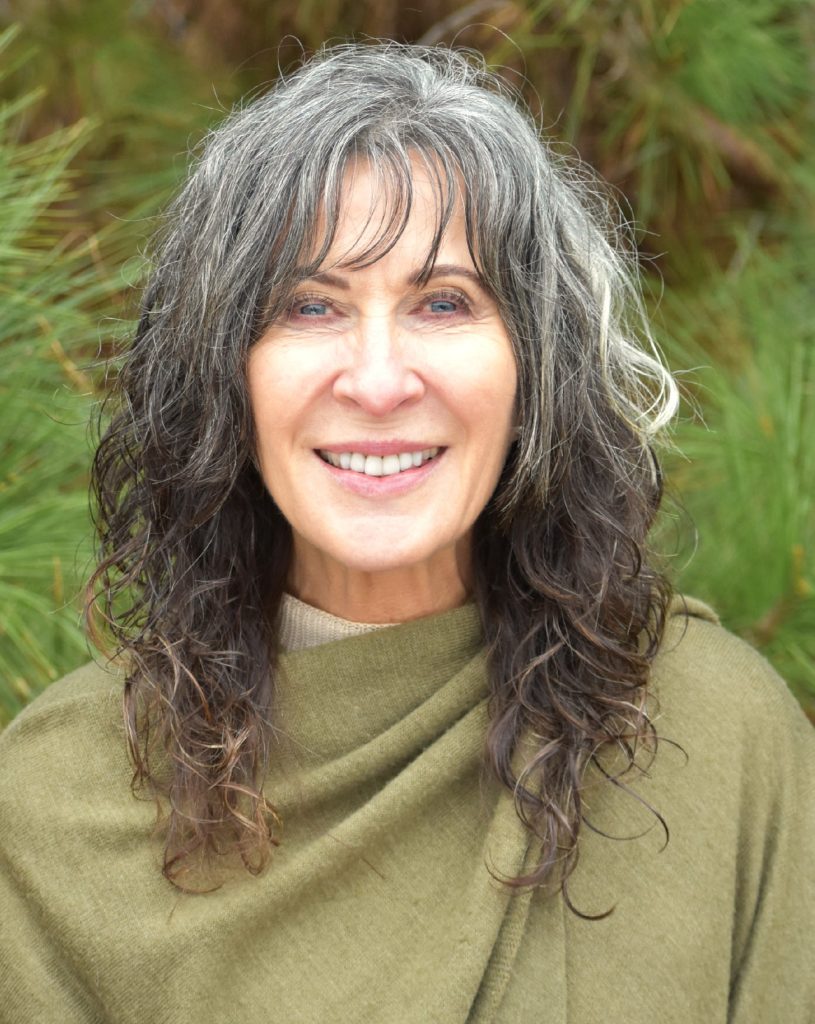
“I would rather focus on the idea of aging well than try to deny the fact that we all do age,” says Dr. Lucy Chartier, of Life Quality Resources in Raleigh.
A psychiatric nurse practitioner and clinical psychologist, Dr. Chartier is committed to a holistic approach in providing counseling and medication management for her adult patients dealing with depression, anxiety, and Attention Deficit/Hyperactivity Disorder (ADHD).
“The simple truth is, we all begin ‘aging’ from the moment we are born and, if we’re lucky, our journey will span a long period of time, gathering lots of life experiences before the ultimate end comes. Maintaining our mental health on that journey—in other words ‘aging well’—is all about adjustment.”
Health&Healing: What do you mean by adjustment?
DR. CHARTIER: As humans, we experience constant change from the time we’re born—every day throughout our life span. These changes come in all shapes and sizes. Some may be small, daily things like road construction blocking your typical route to work, or the coffee shop being out of your favorite brew. Others will be bigger, more consequential: moving to a new home, a divorce, college graduation, the loss of a loved one, or landing your first big job. The changes we experience throughout life aren’t necessarily good or bad, but they are inevitable, and how we respond to them, how we adjust, ultimately determines how well we age.
And there are times when the changes life throws at us—stress, trauma, illness—can overwhelm our ability to adjust, resulting in anxiety and depression. This is the case with the patients I see. Healing is all about regaining the ability to manage change in their lives.
H&H: How would you describe that healing process?
DR. CHARTIER: When I work with patients suffering from depression, healing begins with the understanding that it’s about whole health. So I want to know about diet, about sleep issues and habits, and exercise. I also want to know about how they handle stress in their lives. These are what I consider the pillars of mental health and wellbeing, and they are foundational to healthy adjustment.
The truth is, each of us has a lot of power—through the choices we make—to determine how we feel and how well we age. There is abundant research supporting the importance of exercise, sleep, and nutrition in the treatment of depression, anxiety, or the challenges of ADHD. And these are things that each of us can control.
And that is why the focus of my practice is holistic, going beyond medication management and counseling to include the lifestyle choices so critically important to mental health.
H&H: What role does medication play in this process?
DR. CHARTIER: You can offer counseling, and guidance on the things that the patient can do, including diet, exercise, or stress reduction. And, for many people, there’s an important role for medication. Those are the components of any holistic program, and they work together. For example, there is a significant synergistic effect when you use antidepressants and exercise—resulting in better outcomes than doing either one alone.
So, finding the right mix is very much an individual thing. I see “medication management” as more than adjusting dosages. Medications are powerful, often essential, tools in helping patients deal with depression or anxiety. But drugs won’t replace those essential foundations of health—nutrition, sleep, exercise—that allow us to adapt to changing challenges in our lives.
So, the key is to develop the plan to balance the use of medications with behavioral changes and the use of non-pharmaceutical supplements. Equally important—perhaps most important—is to find a path that helps each patient to understand their own power to heal.
H&H: You’ve mentioned the importance of stress reduction. Where does that fit in the mix?
DR. CHARTIER: As a first—and important—response to stress there is a simple and powerful tool that is available to each of us; and that is meditation. Whether we call it that or we call it something else, it’s the skill of getting still and quiet inside ourselves, of removing ourselves—even briefly—from the stressors plaguing us.
When we live in our heads, dwelling on worries and woes, we’re choosing to live in a world of things we cannot control. Meditation is about controlling what we can, allowing us to adjust to the stressors we encounter.
Developing this “stress busting” skill is a powerful way to take control. It takes practice but can begin with developing a simple three-minute routine. Few skills are more powerful.
The Challenges
of Adult ADHD
“Many of the challenges of aging are familiar,” notes Dr. Chartier. “We lose strength and flexibility, we may struggle with disease, we slow down. But a growing number of my patients are facing an unexpected challenge as they age. They are encountering—for the first time in their lives—the difficult symptoms ADHD (attention deficit hyperactivity disorder).
“People often assume this is a childhood issue,” says Dr. Chartier. “But, while it can present differently in adults, ADHD can occur at any age and can interfere—often seriously—with daily functioning.
“Many adults with ADHD aren’t aware they have it,” she notes. “They just know that everyday tasks can be a challenge. They may find it difficult to focus and prioritize—issues that impact their work. Other symptoms—including impulsiveness, restlessness, and mood swings—also affect quality of life.
“While many of my patients—people in their fifties and sixties—have only recently realized the nature of lifelong challenges, for others, ADHD is a new and frightening experience. I’m seeing adults now who were never diagnosed with ADHD as children and don’t have a history that supports the diagnosis. They were fine, they got through school fine, but now they’re in their forties or fifties and suffering.”
This adult onset of ADHD is especially prevalent in women, due to the hormonal changes they experience in menopause, notes Dr. Chartier. “That is because these changes alter the way our neurotransmitters work. So these women struggle cognitively and complain that they can’t do their work; they’re scattered; they can’t focus and concentrate—and these stresses are leading to depression.
“This may be an unsettling problem, but I’m happy to report that it’s manageable. The holistic approach that I use—balancing the use of medications and non-pharmaceutical supplements with behavioral changes—is critically important in treating ADHD. I try to find that ‘sweet spot’ in the use of stimulants—where the dose is effective but not overpowering. The key is developing a plan for the individual patient.”