UNC School of Medicine
Department of Physical Medicine & Rehabilitation
Program on Integrative Medicine
Mindfulness Classes
Please visit our website to learn more about the UNCCH Program on Integrative Medicine Mindfulness Center and the Courses we offer:
www.med.unc.edu/phyrehab/pim/mindfulness-program
Questions: contact Paula Huffman Program Coordinator, Mindfulness Instructor
paulah@email.unc.edu
Jen Johnson, MS, MFA, LCMHC is a psychotherapist and mindfulness coach in private practice in North Carolina and a photographer and writer. Her areas of specialty include mindfulness, stress, anxiety, grief, creativity, and coping with illness. She teaches people how to develop regular mindfulness and creativity practices and integrate them into their everyday for a more inspired and meaningful life.
Jen is a mindfulness instructor with the University of North Carolina—Chapel Hill’s Program in Integrative Medicine. She is the author of Everyday Mindful Substack that explores ways to create inner refuge through mindfulness, creativity, and nature connection. Contact her at jenjohnson.com
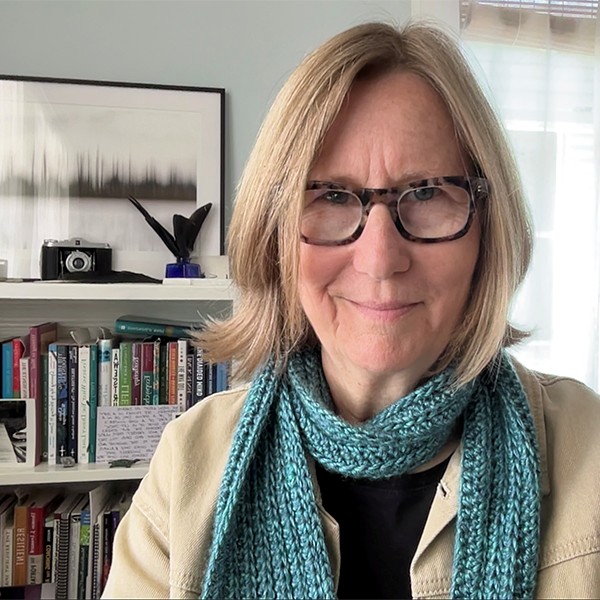
By Jen Johnson, MS, MFA, LCMHC
Mindfulness can serve as a gentle but powerful guide on our journey of aging well, helping us navigate change with awareness, move through loss with greater grace, and become more adaptable to every stage of life. Drawing on research in mindfulness, stress physiology, neuroscience, and expressive writing, alongside reflective practices, I offer ways to nurture the emotional, cognitive, and creative wellbeing that makes aging not just livable, but genuinely meaningful.
As I wake this morning, the first light filters through the window in warm, amber tones. Just a over month ago, six inches of snow blanketed the yard. Now, the backyard Serviceberry tree has burst into delicate, star-shaped, creamy white flowers, and the birds who weathered the long winter are singing their spring mating songs. Looking out at this quiet explosion of renewal, I am reminded that I, too, am part of nature—that my body, like the earth, moves through its own seasons.
These days, my body offers its own subtle reminders that I am living in an aging body—minor stiffness in the morning, a slower pace. The face in the mirror that tells a longer story than it told in years past. And yet, in this quiet morning awareness, something else is also present—energy, curiosity, and a connection with the world’s immense beauty. The question isn’t whether the seasons will change. They will. The question is whether we can learn to be fully present with each season, the seasons of nature and the seasons of our lives.
Upcoming Mindfulness Classes
The Mindful Way through Grief
April 2-23, 2026. 9:30am – 11am EST
Everyday Mindfulness: 4 Weeks of Practice for Real-Life
April 7- April 28, 2026, 12-1:30pm OR 7-8:30pm EST
Mindful Communication: Tools for Real Life Connection
May 5- May 26, 2026, 12-1:30pm OR 7-8:30pm EST
Complimentary Getting Started with Mindfulness and Meditation: An Orientation to Mindfulness Based Stress Reduction (MBSR)
May 7, 2026, 6:00 PM – 7:30 PM EST
Writing as Meditation: Cultivating Awareness, Inner Calm, and Renewal
May 14 – June 4, 2026, 9:30-11am EST
Mindfulness Based Stress Reduction (MBSR)
May 21-July 10, 2026, 6:00-8:30pm OR 9:30-Noon EST
We live in a culture that treats aging as a problem to be solved, something to turn away from, resist, or try to reverse. Anti-aging is a multi-billion dollar industry built on the premise that growing older is something to avoid. But what if it isn’t? What if we shift our perspective to see that aging, like winter giving way to spring, is simply life doing what life does—changing, deepening, and asking us to meet each phase with kindness and acceptance.
Mindfulness invites us to shift our perspective, not to one of resignation or forced positivity, but to one of genuine presence, a willingness to turn toward our experience, including the difficult aspects, with interest and kindness. It invites us to connect more deeply with our inner wisdom and what matters most to us rather than being so driven to make choices based on what we perceive is expected of us. When we bring this quality of attention to the process of aging, something quietly transforms, as aging becomes less a threat to be managed and more a journey to be fully inhabited. Aging becomes, in the truest sense, both a practice and an art of becoming a fuller expression of ourselves in our wisdom years.
“Meditation isn’t to disappear into the light. Meditation is to see all of what we are.”
Stephen Levine
Aging Well
Aging well is not simply about maintaining health or delaying decline, though mindfulness has been shown to support both. It is about cultivating presence, resilience, and meaning as our lives and bodies change. It is about choosing, each day, to meet the life, and the body, we have rather than becoming entangled in wishing things were different. It is about appreciating what remains, doing what brings us meaning, and allowing the later chapters of life to be as splendid, textured, and abundantly inhabited as those that came before.
Every day we have a choice. We can become entangled in resistance and dissatisfaction with how things are in this phase of our lives. Or we can meet the aging process with kind attention. It’s the same quality of attention we might bring to looking out a window in the morning, noticing the light and the tree blossoms, feeling grateful that we made it through another winter and that something in us is still reaching toward the sun.
Mindfulness is awareness of the present moment with kindness. Practicing mindfulness supports us in being able to cope more skillfully with life’s challenges and enables us to more fully experience life’s joy and beauty. We practice mindfulness not to avoid what is difficult but to face it with greater presence and inner strength. Mindfulness teaches us to practice meeting whatever arises in our lives in this moment and the next, including our own aging, with an attitude of nonjudgment, interest, and kindness. We often crave what we perceive as pleasant, chasing society’s vision of beauty, while turning away with aversion from what we perceive as unpleasant, like signs of aging. Mindfulness practice offers a different path toward acceptance of what is. Practicing acceptance of what is doesn’t imply that we have no agency in our lives. It simply means we acknowledge what is happening, and once we turn toward what is happening and face it squarely in the eye, then we can ask ourselves, “given this, now what? Given this, how do I want to respond.” Mindfulness helps us to be less reactive to our experience and more responsive.
Sometimes the response to, “now what?” may be recognizing that there’s nothing we can do to control the situation. What may be called for is practicing letting go and making peace with how things are. In other situations, we may identify something we can do to bring greater ease, in which taking wise action may be called for. But above all, when we learn to turn toward whatever is here with acceptance and meet it with nonjudgment and kindness, this practice nearly always allows us to feel a greater sense of inner calm and steadiness. Whatever is happening is already happening, so we might as well be kind to it, because being kind to it brings greater ease than resisting it. Fighting aging won’t make it go away, nor will it make us live forever. Accepting aging may just bring us a greater sense of inner peace, happiness, and wellbeing, and from that foundation of inner stability, we become more capable of aging with a greater sense of ease, enjoyment, and meaning.
The Seasons of Life
Just as the Serviceberry tree moves through its seasons of spring, summer, fall, and winter, so do our bodies and our lives. Aging is part of the natural cycle of life for all beings—humans, animals, and plants. It always has been. Yet somewhere amid the busyness of modern living, many of us forgot that we are nature. Caught up in individualistic thinking, we begin to perceive ourselves as separate from the living world, and in that sense of separation, a persistent sense of not being enough takes root. This feeling that we are not enough fuels us to push harder to become better, more productive, more toned, and less visibly marked by time. We run toward youth and away from aging, away from what it represents and what it asks us to face—our own natural seasons and our own impermanence. When we remember that we are as much a part of nature as the trees, the soil, the wind, and the rain, something in us settles into a deep sense of belonging. We recognize that the same cycles we witness in the living world around us—the falling away, the dormancy, the return—mirror those we experience in our own bodies, hearts, and minds. We are not failing. We are in season.
Staying with this knowing requires ongoing practice. The later seasons of our life bring real losses— decreased energy, changing roles, loss of people we love, and loss of a future that once seemed filled with infinite possibilities. When we move toward retirement, we may experience the loss of identities that we never realized we’d built our entire sense of self around. We begin to question who we are and what our purpose will be. We encounter limits in the body where perhaps there were none before. The horizon before us that once felt wide open begins to feel more finite, and with that comes a particular kind of reckoning that we simply cannot escape.
Many of us, when we encounter these realities of aging, do what we’ve been trained to do—push through. We get busy and productive, and we focus on what we can still achieve. Perhaps we reach for one or more alcoholic drinks at the end of the busy day. Sure, there is real value in maintaining engagement and vitality as we age, but there is also a cost to this kind of perpetual striving and a cost to the choices we make to avoid coping with aging in healthy ways. When we never slow down to be present with what is unfolding, the unlived moments of our lives accumulate. Our unattended sorrow and grief do not dissolve, they go underground, often surfacing as chronic anxiety, a low hum of unease, or a nameless sense of fear.
Rather than escaping from our experiences of aging, mindfulness offers a way for us to be in different relationship with them. Over time and with practice, mindfulness enables us to become less blown around by the winds of difficult events and less prone to layering resistance and self-criticism on top of an already challenging season. With mindfulness, we begin to find, even in the more difficult moments, the thread of aliveness that runs through everything. We begin to understand that the seasons of a life are not a problem to be solved but new opportunities to be explored. We grow to see winter not as a time we dread but as a season of deepening self-reflection, rest, and exploration of creative ideas. Within our mindfulness practice, we discover that growing older is not a time of brokenness but a time for embodying introspection, wisdom, and meaning making. If we allow it to unfold naturally, aging can become a season of deepening wisdom and purpose, as we allow the insight we have gained through the years to support us in living more fully.
“The longer I live, the more beautiful life becomes.”
Frank Lloyd Wright
Yes, aging involves loss, but if we only focus on the loss or trying to avoid facing the loss, we lose sight of the world’s immense beauty that remains in and around us. I try to make a practice of savoring the beauty that remains every single day.
Stress and the Aging Body
Most of us are familiar with the symptoms of stress in the body – tightness in the chest before a difficult conversation, mental chatter that keeps us awake at 3am, and the low-grade feelings of overwhelm that come from feeling we have too much to do and too little time. Stress is a physiological event that evolution designed to respond to short bursts of real danger, such as running from a predator or reacting quickly to a threat or emergency. The physiological stress response was not designed to help us respond to the chronic and relentless pressures of modern life.
When our body or mind perceives a threat, real or imagined, the brain’s alarm system activates to release cortisol and adrenaline. The heart rate increases. Digestion slows as blood is diverted away from the digestive organs and toward the muscles to prepare us to run or fight. The immune system downregulates. Muscles tighten. The body mobilizes to respond to immediate danger. The problem is that the body cannot distinguish between a real physical threat or a perceived psychological threat, so it activates a stress response when there’s an approaching deadline, a difficult relationship, or the fear of what aging may bring. The body responds to perceived threats with the same urgency and biochemistry that it activates when there is genuine danger or emergency. In situations of emergency or real danger, the body returns to a more balanced state once the threat passes. However, when stress becomes chronic, the body never fully resets, and the cumulative effect on our physical and mental wellbeing can be profound.
Stress physiology research has shown that chronic stress accelerates biological aging at the cellular level. One of the most notable findings involves telomeres—the protective caps at the ends of our chromosomes. Our telomeres naturally shorten with age, but the research of Nobel Prize winning scientist, Elizabeth Blackburn, Ph.D. and University of California San Francisco researcher Elissa Epel, Ph.D. has shown that chronic stress accelerates this process significantly. Shorter telomeres lead to premature cellular aging and place us at increased risk for cardiovascular disease, diabetes, cancer, cognitive decline, and accelerated aging. In addition to being vulnerable to the impacts of stress, studies have shown that telomere shortening can be accelerated by poor diet, poor sleep habits, cigarette smoking, sedentary lifestyle, excessive alcohol consumption, and psychological distress.
Chronic stress also leads to systemic inflammation, which can lead to chronic diseases. Inflammageing, or a chronic, low-grade, systemic inflammation that develops as we age, acts as a key driver of age-related diseases. Unlike acute inflammation from injury or infection, inflammaging results from cellular stress and immune dysfunction. In their article, “Inflammageing: chronic inflammation in ageing, cardiovascular disease, and frailty,” Ferrucci and Fabbri indicate that inflammaging places us at increased risk for cardiovascular diseases, chronic kidney disease, diabetes mellitus, cancer, depression, dementia, and progressive loss of muscle mass that is severe for an individual’s age.
If reading about these risks makes you want to put down this article and turn away to quell your anxiety, I urge you to try taking a few deep breaths and stay with me, because there are things we can do to prevent and/or address these health impacts. Mindfulness and meditation can promote physical and mental health and support healthy aging. Decades of research have shown that a regular mindfulness practice significantly reduces cortisol levels, lowers inflammatory markers, improves immune function, and supports cardiovascular health. The good news doesn’t stop there. Research has also shown that practicing meditation regularly can reduce stress, lengthen telomeres, and support overall health and wellbeing and that it may play an important role in preventing illnesses. In addition, research indicated that regular mindfulness practice reduced feelings of loneliness and related pro-inflammatory gene expression in a group of older adults. This is an important finding, considering that feelings of loneliness are a significant risk factor for chronic disease and death in older adults.
In addition to resulting in improvements in overall health, practicing mindfulness also supports the nervous system. As we age, the autonomic nervous system, which regulates our stress response, can become less flexible and less able to smoothly shift between states of activation (fight/flight) and rest. We may feel more reactive, easily startled, and slower to return to a state of calm and balance following a response to a perceived threat. Mindfulness strengthens vagal tone, the activity of the vagus nerve, which is important to the body’s capacity to return to a balanced state after a stressful event. A well-toned vagal response supports a more stable mood, heart health, immune function, and emotional resilience. Strengthening vagal tone with mindfulness can help us to return to feeling like ourselves again in life’s challenging times.
In addition to supporting overall health and nervous system functioning, mindfulness has also been shown to support healthy sleep. Poor sleep can contribute to cognitive decline, impair immune functioning, increase inflammation, and negatively affect mood and emotional regulation. Mindfulness-based interventions have been shown to improve both sleep quality and sleep duration in older adults, in part by offering a path to quiet the ruminating thoughts that keep us awake at night. When we learn to practice being in the present moment rather than becoming entangled in ruminating thoughts about the past or worried thoughts about the future, the nervous system helps us to relax into the present moment and let go into sleep.
Many of us experience physical stiffness and pain as we age. Studies show that mindfulness can also help to decrease pain and help us to cope more skillfully with residual pain that remains. Practicing mindfulness doesn’t always eliminate pain, but it allows us to change our relationship to it. When I was a young meditation practitioner in my late teens, one of my first meditation teachers used to say that when we stub our toe, we tend to react to it with anger, when what it needs most is love. To this day, when I stub my toe, even though my mind habitually goes to anger, I shift my attention to sending my toe love, and invariably, the pain quickly becomes less intense and resolves more quickly. But as we say, don’t believe me, try it for yourself! When we meet physical pain with fear, anxiety, resistance, anger, and dread, the body tightens, which can increase pain. When we practice observing our pain with non-judgment and kindness, we literally soften around it as the body relaxes, which often reduces the pain and can significantly reduce our suffering, even if some of the pain itself remains. When we meet pain with kindness and mercy, we no longer amplify the pain by tightening around it with layers of anxiety, resistance, and dread.
“If there is a single definition of healing it is to enter with mercy and awareness those pains, mental and physical, from which we have withdrawn in judgment and dismay.”
Stephen Levine
What emerges from the research is that mindfulness is far more than a relaxation technique. It is a mind-body practice that supports overall wellbeing—decreasing stress, reducing inflammation, promoting healthy sleep, decreasing anxiety and depression, decreasing pain, and potentially slowing the aging process. Practicing mindfulness doesn’t require any special equipment or fancy gadgets. It only requires the willingness to show up and pay attention to the present moment, and when our mind wanders, and it will, to bring our attention back again and again to the present moment and meet whatever is unfolding in this moment and the next, with kindness and acceptance. Acceptance doesn’t mean we roll over and do nothing. Acceptance means acknowledging how things are in the moment and showing up to relate to whatever is happening with nonjudgemental awareness, kindness, interest, and curiosity. The body is not the enemy of aging well. It is the seat of aging well. Every breath, every sensation is a reminder that we are alive in the here and now. Mindfulness teaches us to receive each moment with gratitude and presence rather than resistance. Inhabiting the body that we have in every phase of the aging process may be one of the most affirming and health-supporting choices we can make.
Wherever we are on this aging journey, we are not failing. We are in season.