TMJ & Sleep Therapy Centre of Raleigh-Durham
For more information, contact:
Charles Ferzli, DDS, FAACP, DABCP, DABCDSM, DABDSM
TMJ & SLEEP THERAPY CENTRE OF RALEIGH-DURHAM
1150 NW Maynard Road, Suite 140
Cary, NC 27513
Telephone: (919) 323-4242
RaleighTMJandSleep@gmail.com
https://RaleighTMJandSleep.com
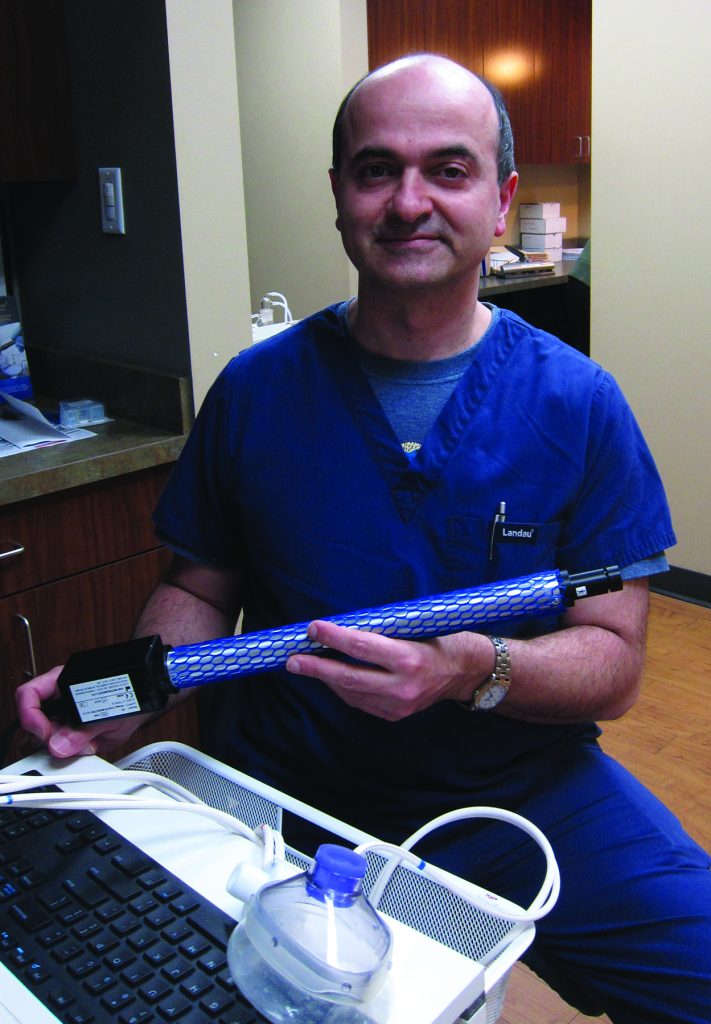
How do you maintain health in a toxic world? For Dr. Charles Ferzli of the TMJ & Sleep Therapy Centre in Cary, the answer is clear: You sleep well.
“There is no way to overstate the importance of sleep,” says Dr. Ferzli. “There’s a reason why we spend a third of our lives sleeping. Quality sleep is necessary for growth, for brain health, and—perhaps most important—for healing. Deep sleep stages promote the production of reparative hormones that strengthen and restore our immune system, allowing us to respond to the toxins we encounter and to heal from injury or disease. Lack of sleep, in contrast, reduces our immune system’s effectiveness in dealing with pain and disease, contributing to inflammation and increasing our toxic load.
“Insufficient or poor-quality sleep has a cumulative, cascading effect on our health,” explains Dr. Ferzli. “Over time, if we don’t sleep well, sleep is less restorative, we have more inflammation and we feel pain more easily. Increased inflammation, in turn, affects our hormonal and digestive systems. We experience increased stress and are more prone to develop chronic inflammatory processes such as acid reflux, diabetes, and high blood pressure. These problems, in turn, interfere with sleep, creating a vicious cycle of increasing health problems.”
Understanding Sleep Problems
It would be misleading to suggest that when Dr. Charles Ferzli talks about “sleep problems” he’s simply referring to people who have difficulty falling asleep. “We do, of course, work with patients who complain of this,” he says. “But it would be more accurate to say that my practice focuses on the essential role that sleep plays in every aspect of our health, and on determining the best path to restoring healthy sleep cycles.”
How You Breathe: Fundamental to Good Health
“Of the many contributing factors to TMJD and sleep problems,” observes Dr. Ferzli, “perhaps the most significant are breathing issues. Obstructive sleep apnea is recognized as a serious, even life-threatening health problem. Upper Airway Resistance Syndrome (UARS) is a similar condition where air flow is constricted during sleep. While not as severe a condition as sleep apnea, it reduces the flow of oxygen to the muscles resulting in increased cardiovascular issues, fatigue, depression, and insomnia.
“However, by far the most common breathing problem affecting sleep,” says Dr. Ferzli, “is mouth breathing. The simple fact that is not well understood is that how you breathe is fundamental to protecting and maintaining your health. And the right way to breathe—the way that ensures you are getting the oxygen you need—is through your nose. Nasal breathing is essential for proper oxygenation of tissues and is closely linked to sleep quality.
“Although we’re designed to breathe through the nose, many things will cause a person to breathe through the mouth,” he explains, “and it can become a habit. Anatomical problems are one example, chronic nasal congestion is another. Diets high in sugar and processed foods create excessive inflammation in the body. And inflammation leads to nasal congestion, which frequently results in mouth breathing.”
Incorrect breathing creates a ripple of negative impacts, notes Dr. Ferzli. “For example, proper nose breathing has important antibacterial, antifungal, and antiviral properties that help reduce or prevent upper respiratory infections, bronchitis, and asthma; mouth breathers are more prone to developing these ailments.
“Mouth breathers are also more likely to have TMJ problems because they clench their teeth while sleeping, eventually causing discs and joints to become inflamed. And they may have more pain overall, because they don’t release oxygen as efficiently to the muscles, causing more inflammation.”
Dr. Ferzli notes that the majority of his patients with TMJD and sleep issues also have nasal airway and breathing issues. “By rehabilitating their nasal function, we’ve seen significant improvements in sleep quality. They don’t toss and turn as much; they don’t clench their teeth during the night because they’re well oxygenated. Their body is able to relax during sleep, further supporting the body’s healing process.”
In a conversation with Health&Healing, Dr. Ferzli discusses the complex relationship between sleep problems and overall health, and how these are addressed.
Health&Healing: You talk about the importance of quality sleep. What is “quality” sleep?
DR. FERZLI: Quality sleep starts with quantity; we need enough hours for our brain to regenerate and heal—to flush out toxins and make room for new memories and new cognitive skills. For adults, “enough” means six to eight hours; children require more.
A healthy sleep cycle includes four stages—each with a unique role, so disrupted sleep is not restorative. Disruptions to our sleep cycle—including pain, disease, and breathing issues—interfere with our ability to relax, restore, and heal. Treating these often-interrelated problems and restoring a healthy sleep cycle is essential for whole health.
H&H: How do you prevent those disruptions?
DR. FERZLI: It begins with understanding the underlying causes of sleep problems. And you’ll notice I said “causes,” because multiple factors interfere with a healthy sleep cycle. Many of these problems may seem minor and not connected to sleep issues. In fact, the list of possible factors often surprises my patients, because it includes such a range—from nasal congestion and allergies to missing teeth and antidepressant medications.
Again, it’s never just one thing—but how various problems and symptoms produce other problems, culminating in serious health issues. And while all these play a part in any sleep disorder, I would argue that breathing issues are the single most important reason for impaired sleep. You can’t separate the two. (see box, right)
Many health conditions impair sleep, including high blood pressure, chronic pain, allergies, and diabetes. Stress is also a significant contributor, because when the body perceives stress—even low-level, chronic stress—the jaw joint muscles contract in response; we clench. That simple act of clenching contributes to jaw pain issues and interferes with breathing.
And lifestyle issues—such as diet, medications, even too much light in the bedroom—also play a part. Three of these, which I would describe as “toxins,” deserve special mention: medications, alcohol, and smoking.
H&H: How do they affect sleep?
DR. FERZLI: Treatment for chronic health conditions typically includes medications, sometimes multiple medications. The issue being treated, such as chronic pain, may itself cause sleep problems, but what’s not so obvious is that the medicationsalso impair sleep.
For example: 75 percent of the people who are on multiple high-blood-pressure medications have sleep apnea. Medications people take for anxiety and depression affect their sleep hormones and cause them to clench and grind their teeth. And 80 percent of commonly prescribed medications cause dry mouth, which contributes to tooth decay, infections, breathing problems, and other inflammatory issues.
Two other toxins that impair sleep—and, indeed, significantly diminish your quality of life—are alcohol and smoking. Smoking is profoundly toxic, harming every organ in the body, and depressing the immune system. It affects your lungs and airways, thus diminishing your ability to breathe well while sleeping. When combined with alcohol, the harms are multiplied.
When it comes to sleep impairment, it may surprise many to know that one of the most devastating toxins is alcohol—especially when it’s taken in, as it most often is, just prior to bedtime. In fact, taking in alcohol past 3:00 PM will likely affect your sleep cycle.
In the first place, alcohol is a carbohydrate, and carbohydrates elevate your body temperature. That’s a major problem, because your body needs to be cooler for sleep functions to take effect. It’s also a muscle relaxer, and that causes the airway muscles to relax during sleep interfering with breathing.
Restoring Sleep
H&H: Given the complexity of sleep problems, how do you go about helping your patients to regain healthy sleep?
DR. FERZLI: Just as things pile up and spiral into sleep problems, healing is also a process. It begins with diagnosis. We do extensive testing, including a sleep study, to identify the many factors that contribute to a patient’s sleep problems—from trauma and allergies to lifestyle factors and medications. As I’ve said, there’s never just one cause, but things such as severe jaw pain or allergies are often the most significant sources and our primary focus.
The next step is relief in order to support healing. Remember, if you’re not sleeping well you aren’t healing. So we want to do everything we can to provide immediate relief from the two most serious obstacles to quality sleep—pain and obstructed breathing.
To do this, we use individually designed oral appliances that position the mouth to relieve pain and open airway passages. This prevents clenching and allows the jaw to relax, which is critically important in the healing process. Other tools and treatments—such as nasal strips or TMS (transcranial magnetic stimulation) therapy—may also help in opening airways and relieving pain.
Once we’ve created the opportunity for healing, we turn our attention to other factors that need to be addressed. If nasal congestion is a major contributor to the problem, for example, the cause might be allergies, structural abnormalities, or a highly inflammatory diet. TMJ problems may be affected by structural/postural problems or trauma. Some of these problems require support from other practitioners, such as a chiropractor or ENT physician, and this becomes part of the treatment process.
Often, the contributing factors are lifestyle choices—especially those related to diet and sleep habits. So, an important part of any treatment plan—the starting place—is education. Regrettably, most patients share what I would describe as the ‘the Western medicine mindset’—they want a pill. And their first question is likely to be “What medicine should I be taking to sleep better?” instead of, “How do I address the source of my problem?”
My response is: ‘You are not suffering from a deficit of sleep medicine; something else is affecting your sleep.’ Then I explain that we don’t believe in using drugs for sleep problems; we want to treat them orthopedically, so that they can live without pain, and without taking medications. So, we educate them—explaining how their breathing issues or diet relates to their sleep. And we show them how to adjust their breathing, or to use oral appliances to optimize their airway. For each patient, there’s a plan to address their specific breathing and sleeping problems. If they understand it, and they follow through, they get better.