Life Quality Resources
Providing comprehensive mental health support services, including:
Medication Management of ADHD, Depression, Anxiety, Insomnia
Diagnostic Evaluation and Treatment of Adults with ADHD (Attention Deficit/ Hyperactivity Disorder)
Depression and Anxiety Disorders
Holistic approaches to mental health
For further information, contact:
LIFE QUALITY RESOURCES
Telephone: (919) 782-4597
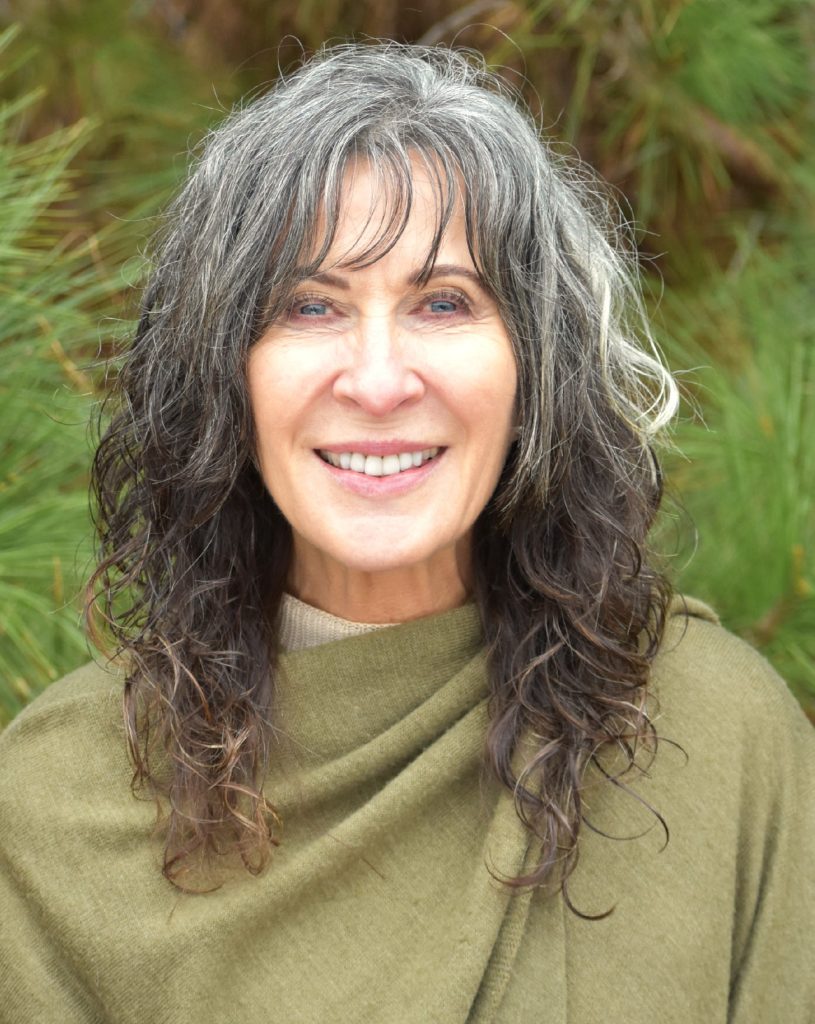
Dr. Lucy Chartier, of Life Quality Resources in Raleigh, will tell you in a heartbeat that proper diagnosis of health issues—in her case, especially mental and emotional health concerns—is critically important. She interacts with her clients as a practitioner deeply trained in the biological sciences who also has decades of experience in guiding psychological and psychiatric healing.
“Frankly, I’m led by my heart to really meet people where they are, rather than where the DSM-IV indicates they may be (the Diagnostic and Statistical Manual of Mental Disorders). When I meet with a client—for the first time or the fiftieth time—I always want to be sure there’s not an unseen, unknown causative agent for what I’m hearing and seeing. Is this client really “Prozac-deficient,” or do they simply need more sleep? Do they need exercise, or a better diet? Do they need food, shelter, safety? These are basic issues that can, at times, be causative agents of mental health challenges.
“I have concern about how we diagnose people, about the mandate we hand them when we give them a label, what that may do to their self-concept and how they’re going to live into that label. What they are going to do with that information is really important.
Power of Our Beliefs
The Challenges of Adult ADHD
As a psychiatric nurse practitioner with doctoral education as a clinical psychologist, Dr. Chartier brings a holistic perspective to her work, appreciating the interplay of mental and physical health issues. “Whether working with patients dealing with depression and anxiety, or with the challenges of attention deficit disorders,” she says, “my focus is always on optimal functional health. This means going beyond medication management and counseling. It means understanding the importance of whole health, and of the lifestyle choices that are the critically important pillars of mental health and wellbeing: good sleep, nutrition, and exercise.”
The holistic approach Dr. Chartier uses is particularly effective in working with an increasing number of patients dealing with ADHD. “People often assume this is a childhood issue,” says Dr. Chartier. “But, while it can present differently in adults, ADHD can occur at any age and can interfere—often seriously—with daily functioning.
“Many adults with ADHD aren’t aware they have it,” she notes. “They just know that everyday tasks can be a challenge. Adults with ADHD may find it difficult to focus and prioritize—issues that impact their work. Other symptoms—including impulsiveness, restlessness, and mood swings—also affect quality of life.
“Many of my patients—people in their fifties and sixties—have only recently realized the nature of lifelong challenges. A typical example is a woman who told me, ‘I’ve been struggling with this my entire life. I was never efficient at my jobs, and I contaminated relationships. I’ve always been scattered and could never finish things. But it wasn’t until my granddaughter was diagnosed with ADHD that I realized: I’m just like her!’
“But, for other patients, ADHD is a new and frightening experience. I’m seeing adults now who were never diagnosed with ADHD as children and don’t have a history that supports the diagnosis. They were fine, they got through school fine, but now they’re in their forties or fifties and suffering.“This adult onset of ADHD is especially prevalent in women, due to the hormonal changes they experience in menopause,” notes Dr. Chartier, “because these changes alter the way our neurotransmitters work. So these women struggle cognitively and complain that they can’t do their work; they’re scattered; they can’t focus and concentrate—and these stresses are leading to depression.
“Balancing the use of medications with behavioral changes and the use of non-pharmaceutical supplements is critically important in treating ADHD,” says Dr. Chartier. “I try to find that ‘sweet spot’ in the use of stimulants—where the dose is effective but not overpowering. The key is developing a plan for the individual patient.”
“Of course our belief systems shape how we think and how we tell our story. It’s how we’ve come to know ourselves. It’s the lens through which we view our personal world. Sometimes the lens is brown and dark and muddy, and sometimes it’s overly cheerful so we may not see all we need to see to care for ourselves in a healthy way. I strive to be respectful of where clients are in their story; it’s not for me to judge if they are ‘right’ or ‘wrong’ in their perceptions and even their behaviors.
“I’m reminded of a client I’ll call Mary Beth, who had a belief system that portrayed her in the worst possible way: ‘Too ugly, too fat, too stupid, unable to cope in the world.’ Those were messages that had been created, nurtured, and embellished by her family of origin.
“So with Mary Beth, as with many other clients, we sit and go through the life experiences that have ultimately brought them to my office. What Mary Beth came to realize is that she is caught up in patterns. She is attracting people into her life who support and fan the flames of her belief system—about her own lack of worth. And if she gets other, more positive messages—perhaps from a colleague at work—she’ll back away from them because they simply don’t make sense, they don’t fit her belief system.
“So the many Mary Beths whom I’ve worked with often feel overwhelmed by life events. They may be in their third marriage, and they’re tired of the drama and the turmoil, the angst of the relationship dance—the breaking up, the divorce. They have perhaps had a child with each marriage. This is a disruptive way to live, and they realize something is missing and they simply don’t know what to ask for.
“Often, no one else in their family has ever come to see a therapist. And they’re not crazy. They’re simply hurting and continuing to create a disruptive life that stops them from becoming who they want to be.
Together, we go down the path of finding who that person is and work to discover the path that leads away from chaos and turmoil to peace and harmony and an interesting, fun, productive life.
Blending Art and Science
“I’m an Adult Nurse Practitioner, and I understand through my training in the biological sciences a good deal of what is going on neurochemically with clients like Mary Beth. Sometimes people are in such a deep state of despair as they begin this journey that they don’t have the psychological energy, motivation, and drive they need to do the work. They are psychologically and emotionally exhausted from the despair that has lodged in their psyche. We could call this depression if we wanted to attach a label to it. So supplying assistance through a neurochemical intervention, like an antidepressant, is really helpful in moving through and out of their despair, so they can think more clearly and have a bit more motivation to do the work of change.
“Down the road, our goal is that sufficient change will occur in their brain chemistry and in their ways of thinking that we will no longer need the medication. These changes will, in time, become a fundamental part of their neuroanatomy and neurochemistry. Their brain will have changed, and we can look at withdrawing the medication. The process really does involve art and science.”